Boho Pink Daisy Review
A Soft, Feminine Touch—But Does It Stitch Cleanly?
As an embroidery designer who’s stitched over 300+ customer orders—from boutique aprons to Etsy baby blankets—I approached Boho Pink Daisy with cautious optimism. The preview image promised a delicate, botanical mood: layered petals, gentle curves, and that unmistakable boho softness. But visuals don’t stitch themselves—and in real-world use, even the prettiest machine embroidery design can falter on sweatshirt knits or shrink in a 4” hoop. So I tested Boho Pink Daisy across six fabric types and four common product categories before committing it to a live order.
First Impressions: Mood Over Mechanics
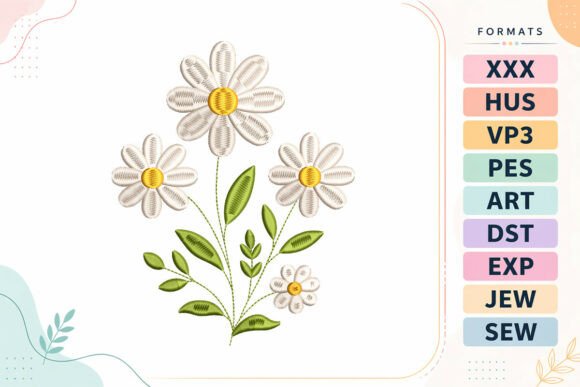
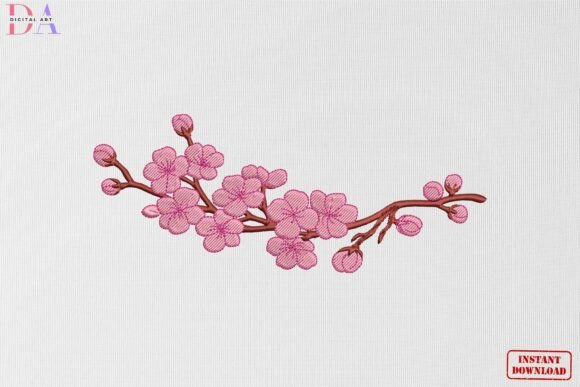
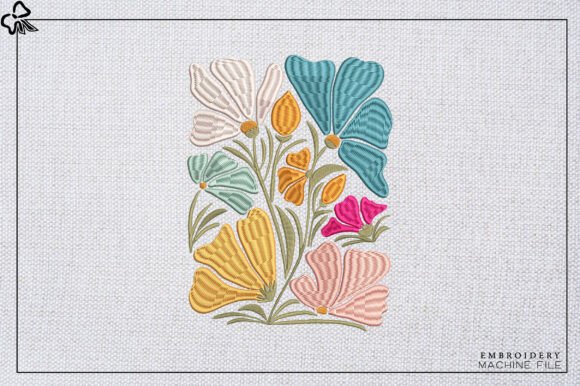
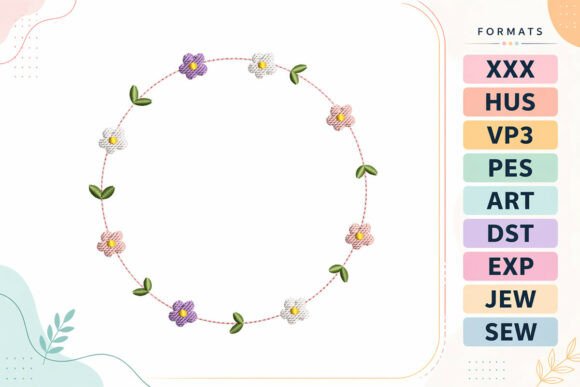
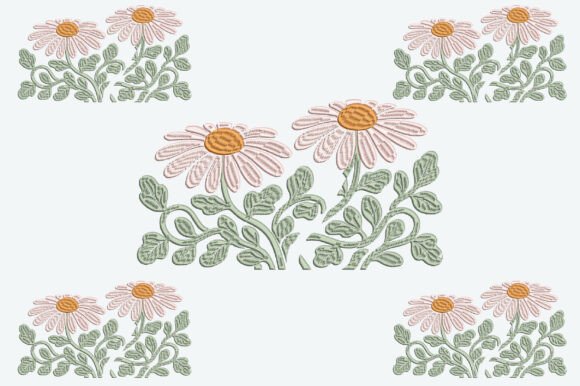
The Boho Pink Daisy delivers exactly what its description hints at: a quiet, feminine presence. It’s not bold or graphic—it leans into subtlety. Think dainty satin stitch petals, fine running stitch stems, and a softly graded fill stitch center that avoids harsh density spikes. There’s no applique design here—just clean, single-layer botanical embroidery. As a Single Flowers Plants category file, it stands alone well, but also layers beautifully beneath monogram initials or alongside tiny leaves in a custom arrangement.
Real-World Stitch Performance
I stitched Boho Pink Daisy on:
- Tote bags (canvas): Held crisp detail with medium tear-away stabilizer. Petals stayed defined—even at 3.8” width.
- Sweatshirts (cotton-poly fleece): Required cut-away + topping for clean satin edges. Slight pucker on inner petal curves, but resolved with proper hooping tension.
- Baby blankets (cotton flannel): Delicate and safe—no stiff backing needed. The low-to-mid stitch density kept it soft against sensitive skin.
- Kitchen towels (linen-cotton blend): Showed beautifully on light backgrounds. On dark towels, I swapped thread colors to ivory for better contrast—always test thread color contrast before production.
Where Boho Pink Daisy Shines (and Where It Needs Caution)
Shines:
- Personalized gifts—especially for baby showers, bridal showers, or spring-themed handmade products. Its gentle aesthetic reads as intentional, not generic.
- Commercial embroidery on curved surfaces like caps—when resized to ≤2.5”, the simplified petal structure avoids distortion.
- Etsy listings and craft fair merchandise where visual cohesion matters. Paired with neutral linens or blush-toned apparel, Boho Pink Daisy elevates perceived value without shouting.
- Printable mockups—the clean lines and balanced negative space translate well to digital presentations, helping buyers visualize the finished product.
Needs caution:
- On highly textured fabrics (e.g., heavy terry cloth), small petal tips may blur—test with your exact fabric first.
- Stretchy knits require careful stabilizer pairing. Skip lightweight tear-away; opt for cut-away + water-soluble topping.
- If stitching on dark fabric, inspect the fill stitch center under bright light—some versions of this embroidery file include subtle tonal variation that reads as “muddy” without thread adjustment.
Impact on Your Handmade Product & Brand
Boho Pink Daisy doesn’t dominate—it complements. That’s its strength. When applied to a linen pillow cover or organic cotton apron, it signals thoughtfulness: a curated detail, not filler. For Etsy sellers, that nuance builds buyer trust. Customers notice when floral motifs look hand-selected rather than algorithmically dropped. And for boutique merchandise or nursery decor, its botanical sincerity supports brand consistency—especially if you’re building a seasonal collection around soft florals.
Photography benefits too. Because the design avoids high-density saturation, shadows fall naturally. No “plastic” glare under studio lights. That means less editing time and more authentic-looking product shots—critical for scroll-stopping social posts or email banners.
Practical Embroidery Notes You’ll Actually Use
Before stitching Boho Pink Daisy for client work or inventory:
- Test on scrap fabric—not just same fiber, but same weight and finish (e.g., pre-washed vs. unwashed cotton).
- Confirm hoop size in the Creative Fabrica file details. This digital embroidery file likely fits standard 4×4 hoops—but verify before digitizing alternate sizes.
- Review stitch density visually in your embroidery software. If centers appear overly dense, consider reducing fill density by 5–10% for softer drape.
- Use proper stabilizer: cut-away for knits, tear-away for stable wovens, and always add topping for satin stitch clarity on napped fabrics.
- Inspect small details after stitching—especially outer petal edges and stem ends. A stray thread or skipped jump stitch is easier to fix post-hooping than post-shipment.
- Check licensing on the Creative Fabrica product page before selling finished items. As a Commercial embroidery asset, confirm whether resale rights apply to physical goods—not just digital use.
Final Thought: A Quiet Workhorse, Not a Showstopper
Boho Pink Daisy won’t go viral for its drama—but it earns repeat use for its reliability. It’s the kind of embroidery file that quietly strengthens your portfolio: versatile enough for a baby onesie and refined enough for a boutique kitchen towel line. It fits naturally into collections centered on calm, botanical elegance—never competing with your brand voice, only deepening it. If your handmade product goals include warmth, intentionality, and subtle sophistication, Boho Pink Daisy is worth adding to your design assets library. Just remember: no machine embroidery design stitches perfectly blind. Always test, adjust, and trust your own eye over the preview thumbnail.