Floral Owl Bird Folk Art
A Designer’s First Look: Whimsy with Intention
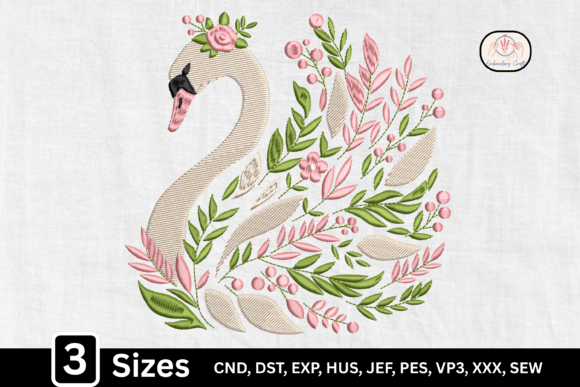
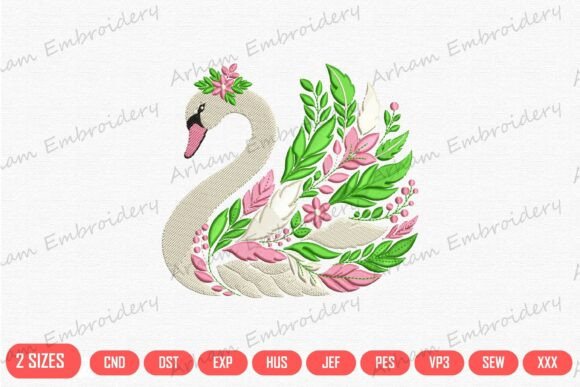
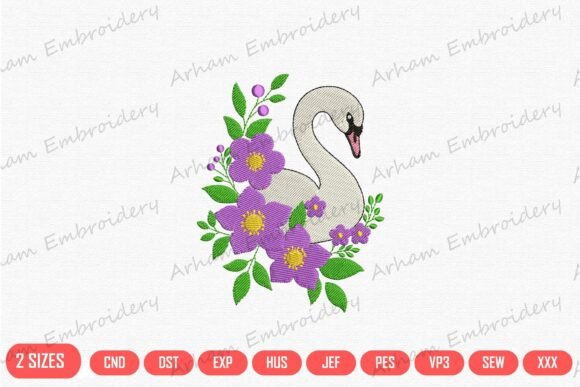
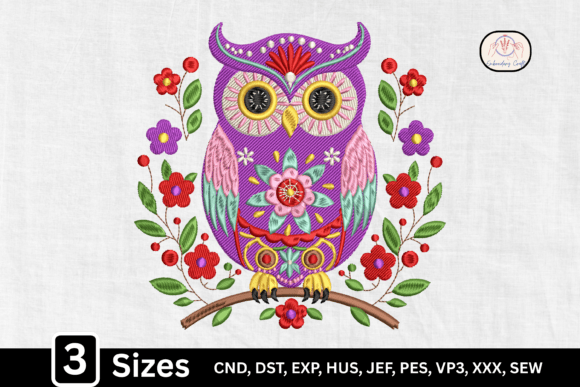
When Floral Owl Bird Folk Art popped up in my design queue, I paused—not because it’s flashy, but because it *feels* intentional. The owl isn’t just perched; it’s blooming. Petals curl from its wings, vines trace its chest, and its eyes hold that quiet, knowing warmth folk art does so well. This isn’t a clipart bird dressed up—it’s a cohesive machine embroidery design built for storytelling. It leans into charm without tipping into cutesy overload, which matters when you’re stitching for real people who want handmade character, not generic decor.
Where It Lives Best: Real Projects, Real Reactions
Last week, I prepped a small-batch run of linen tea towels for a local kitchen boutique—and Floral Owl Bird Folk Art was my top contender. Why? Because it holds up at 4.5" wide (a sweet spot for towel corners or center panels), reads clearly even from across a countertop, and adds personality without overwhelming the fabric’s natural texture. Customers didn’t just say “cute”—they said “I know someone who’d love this.” That’s the sign of a design that translates beyond screen to shelf.
I also tested it on a medium-weight organic cotton sweatshirt. On knit fabric, the floral details stayed crisp thanks to balanced stitch density—no puckering, no thread breakage during the satin-stitch beak or layered petal fills. It worked equally well as a standalone chest piece or scaled down for a subtle pocket accent. For Etsy sellers bundling custom baby onesies, this design shines: gentle enough for nursery walls, vivid enough to stand out in a digital embroidery file preview, and versatile across gender-neutral palettes.
What It Brings to Your Craft Business
As someone who’s reviewed hundreds of embroidery files for commercial use, I’ll say this plainly: Floral Owl Bird Folk Art elevates perceived value. Its composition—strong central shape, rhythmic floral framing, clear negative space—makes finished products look professionally curated, not DIY-assembled. That builds trust. A customer buying a personalized gift sees intention, not just stitching. A boutique buyer scanning wholesale listings notices cohesion: this design fits right alongside botanical prints, hand-drawn animals, and modern folk motifs—no jarring style mismatch.
It also plays well across formats. As an embroidered patch? Clean edges, minimal fraying risk. As a tote bag design? Holds scale beautifully on canvas or duck cloth. As holiday embroidery? Swap thread colors to deep reds and forest greens—still reads instantly. And for digital product sellers building printable mockups? Its bold outlines and moderate detail render cleanly in grayscale previews, helping buyers visualize before they stitch.
Use With Care: Where Context Matters
This isn’t a one-size-fits-all embroidery file—and that’s a strength, not a limitation. Avoid cramming Floral Owl Bird Folk Art into tiny hoops (<5" diameter) unless you’re willing to simplify or resize thoughtfully. Those delicate vine tendrils and feather-textured fill stitches need breathing room. On highly textured fabrics like bouclé or thick terry cloth, test stabilizer layers first—medium-weight cutaway works best to anchor the dense floral areas without stiffening the whole piece.
Stretchy fabrics (think ribbed knits or lightweight jersey) demand extra attention: stabilize aggressively, slow your machine speed, and consider shortening satin-stitch lengths slightly to prevent skipped stitches around curved beak edges. And while it pops on dark fabric, avoid ultra-low-contrast thread combos—those pale yellow petals vanish on navy unless you boost saturation intentionally.
Design Notes You’ll Actually Use
Before stitching your first client piece or listing on Etsy:
- Test on scrap fabric first—especially if using textured, stretchy, or dark substrates.
- Check thread color contrast in natural light. What looks vibrant on screen may mute on oat linen or heather gray.
- Review stitch density in your embroidery software. If fill areas feel overly heavy for lightweight baby clothes, adjust underlay or reduce density by 5–8%.
- Confirm hoop size compatibility—this design likely fits standard 5x7" hoops, but verify before hooping expensive fabric.
- Inspect small details at 200% zoom: eyelashes, vine tips, petal edges. Are they clean? Do they require manual cleanup post-stitch?
- Test black-and-white mockups to assess silhouette strength—critical for branding consistency across products.
- Compare light/dark backgrounds in your design workflow. Does the owl read as a shape first, or does detail get lost?
- Use proper stabilizer: medium cutaway for stable wovens, tear-away + light cutaway hybrid for knits.
- Confirm licensing terms before selling finished items or reselling the embroidery file—commercial use rights aren’t automatic.
Final Thought: It’s Not Just a Bird—It’s a Vibe Anchor
In a sea of generic animal embroidery files, Floral Owl Bird Folk Art stands out by feeling *designed*, not assembled. It doesn’t shout—it invites. That makes it ideal for makers who sell calm, considered goods: slow-stitched aprons for bakers, heirloom baby blankets, artisan tea towels, or boutique patches with soul. It’s the kind of embroidery file that starts conversations—not just “where’d you get that?” but “what does it mean to you?”
If you’re choosing between dozens of birds for your next craft business launch, ask yourself: does it support your brand voice? Will it age gracefully on a pillow cover after five washes? Does it translate across apparel, home goods, and digital assets without losing clarity? Floral Owl Bird Folk Art answers yes—to all three. Just remember: great design deserves thoughtful execution. Stitch it with care, and it’ll carry your craftsmanship forward, one vibrant, rooted, quietly joyful owl at a time.