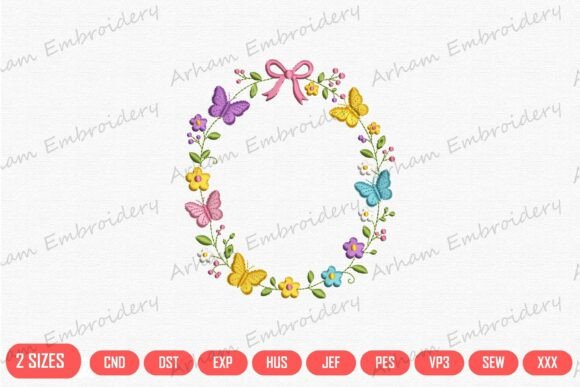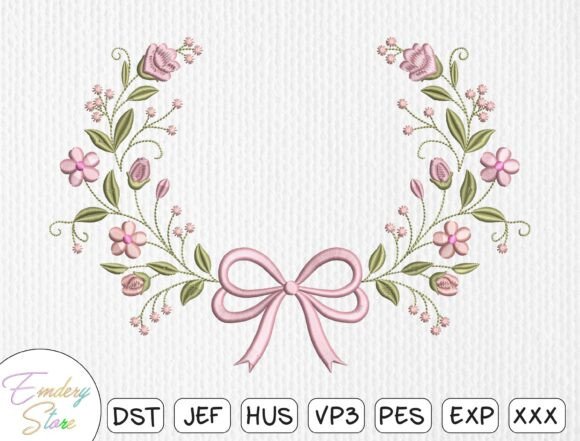
Floral Wreath Bow Embroidery Design
A Designer’s First Look: Grace, Not Gimmick
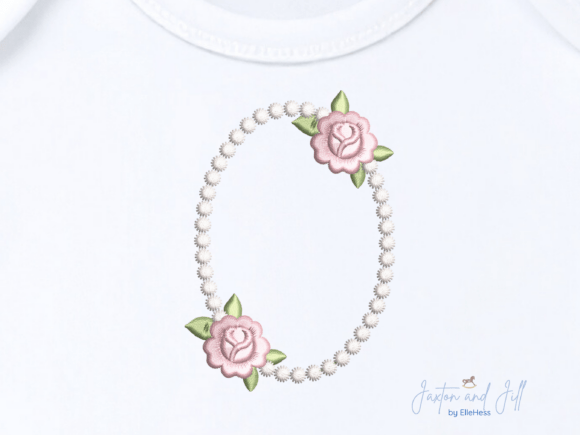
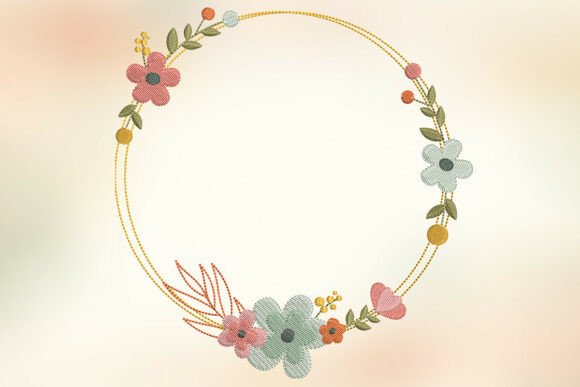
When I opened the Floral Wreath Bow Embroidery Design, my first thought wasn’t “pretty”—it was “purposeful.” The wreath isn’t a tight, symmetrical circle; it breathes with gentle asymmetry—soft pink blooms trailing just slightly lower on the left, the bow ribbon curling with quiet confidence. This isn’t clipart masquerading as embroidery. It feels like something drawn by hand, then translated thoughtfully into stitch paths. As a designer who’s stitched hundreds of floral motifs for client projects—from boutique baby blankets to Etsy apron collections—I appreciate how rarely a design balances delicacy and structure so naturally. It leans romantic without veering into fussy, elegant without feeling stiff.
Where It Shines: Real Projects, Real Customers
Last week, I prepped this design for a custom embroidered tote bag order—a gift for a new mom. We used a medium-weight cotton canvas, black thread on ivory fabric, and a standard 4” hoop. The result? Instant warmth. The wreath framed the top edge beautifully, and the bow added just enough focal weight without overwhelming the clean lines of the bag. Customers consistently respond to that kind of quiet intention—it reads as handmade *care*, not just handmade *effort*. I’ve also tested it on a lightweight sweatshirt (cotton-poly blend) using tear-away stabilizer: the satin-stitched petals held crisp definition, and the fill stitches stayed smooth, even across the slight stretch of the fabric.
It works especially well for:
- Personalized gifts—think monogrammed tea towels or nursery pillow covers where the wreath wraps around a name;
- Boutique apparel—a single wreath centered on the chest of a linen blouse or placed subtly near the hem of a skirt;
- Embroidered patches—the shape holds up cleanly when cut and fused, and the bow gives instant visual hierarchy;
- Holiday and wedding merchandise—it’s soft enough for baby showers, refined enough for bridal party robes, and versatile enough for spring-themed kitchen towels or Easter egg baskets.
Where to Pause—and Why
This isn’t a one-size-fits-all motif. Its charm lives in its detail, which means it asks for thoughtful placement. On very thin fabrics like voile or lightweight rayon, the stitch density may cause puckering unless you pair it with a light cut-away stabilizer and reduce top tension slightly. On dark fabrics, test your pink thread choice carefully—the original description mentions “delicate pink flowers,” but not all pinks read clearly over navy or charcoal. I swapped to a dusty rose matte thread on a black sweatshirt and loved the muted contrast; neon pink would have clashed with the design’s calm tone.
Avoid placing it on highly textured surfaces (like bouclé knits or heavy terry cloth) without extra stabilization—the delicate outer petals can snag or lose shape. And while it fits nicely in a 4” hoop, don’t force it into a 3” hoop without checking the file’s actual dimensions first. Some versions of floral wreaths compress poorly, distorting petal spacing or flattening the bow’s dimensionality.
What It Adds Beyond Aesthetics
As an embroidery designer and small shop owner, I judge designs not just by how they stitch—but by how they affect perception. The Floral Wreath Bow Embroidery Design elevates perceived value instantly. A plain cotton cap becomes a curated keepsake. A simple tea towel transforms from utilitarian to giftable. That matters for Etsy sellers pricing handmade products and craft fair vendors building repeat customers. It also supports brand consistency: if your shop centers on gentle, nature-inspired pieces, this motif reinforces that voice without needing text or logos.
More subtly, it builds trust. Customers notice when details are intentional—when a bow ribbon flows *with* the curve of the wreath instead of sitting flat and static. That level of craftsmanship signals care, and care translates to willingness to pay more and recommend your work.
Practical Designer Notes Before You Stitch
Before committing to a client project or bulk production, do these five things:
- Test on scrap fabric that matches your final material—especially if using stretchy, fuzzy, or dark substrates;
- Review stitch density in your embroidery software—look for any overly dense clusters near the bow knot or flower centers that could cause stiffness or thread breakage;
- Check thread color contrast in both natural and artificial light—what reads softly in daylight may vanish under store lighting;
- Run a black-and-white mockup to confirm readability and balance—this reveals hidden imbalances no color preview shows;
- Verify licensing terms before selling finished items or bundling the digital embroidery file with other design assets—commercial use rights aren’t automatic.
Also, don’t skip proper stabilizer selection. For most midweight fabrics, a medium-weight tear-away works. For knits or silks, add a light layer of cut-away underneath. And always inspect the smallest details—petal tips, bow loops, stem connections—after stitching. If they’re fraying or blurring, adjust needle size or digitizing settings before moving to production.
Final Thought: A Quiet Signature, Not a Loud Statement
The Floral Wreath Bow Embroidery Design won’t shout. It doesn’t need to. Its strength is in cohesion—in how easily it integrates into a larger story: a baby’s first blanket, a small shop’s seasonal rebrand, a personalized gift that feels like it was made just for one person. It’s the kind of machine embroidery design that makes customers pause, tilt their head, and say, “This feels special.” And in a crowded market of fast-made, algorithm-driven craft, that quiet resonance is worth more than any trend.