Flower Hug Cat: Sweet, Sellable & Stitch-Ready
First Impression: Instant Charm, Clear Intent
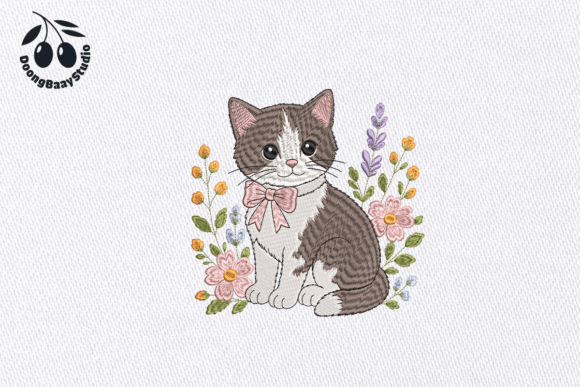
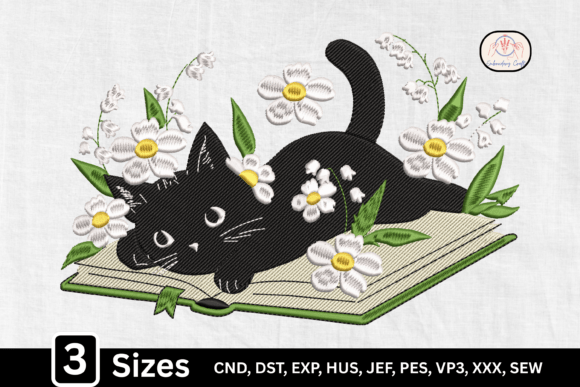
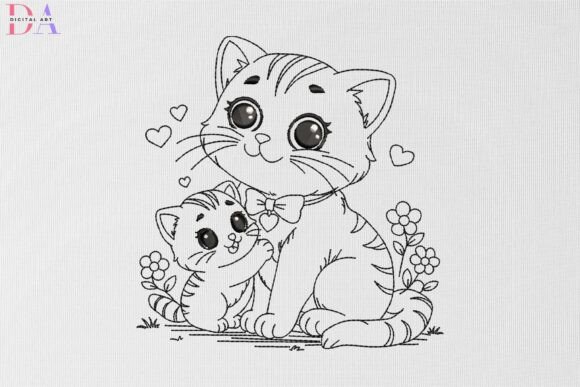
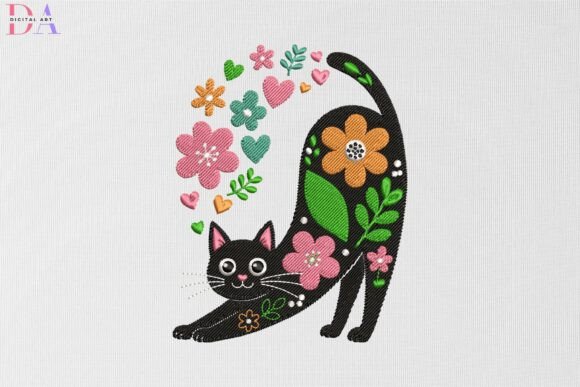
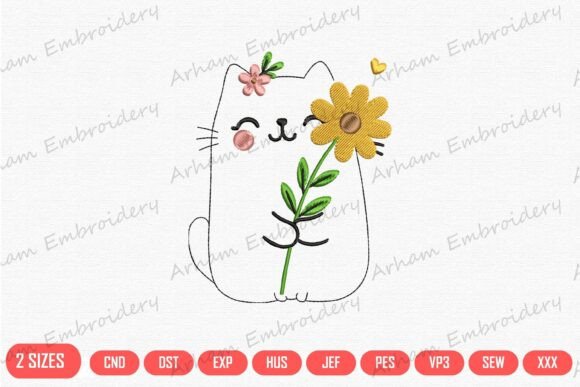
As an embroidery designer who’s prepped over 200 craft fair booths, my gut reaction to Flower Hug Cat is immediate and positive: it reads as soft, joyful, and gently whimsical—not overly cutesy or cartoonish, but warmly human. The title alone telegraphs sweetness and floral charm, while the description confirms a smiling cat holding a blooming flower with Delica bead accents. That combination lands squarely in the “handmade premium” sweet spot: approachable enough for teens and grandmothers alike, distinctive enough to stand out among generic florals or minimalist cats. It feels modern-farmhouse adjacent—soft edges, organic flow, no harsh lines—but with enough personality to avoid blending into background decor.
Where Flower Hug Cat Shines on Craft Fair Products
This design doesn’t just *work* across formats—it elevates them. On a natural canvas tote bag, Flower Hug Cat becomes a conversation starter: large enough to read from three feet away, detailed enough to invite closer inspection (especially that Delica-accented flower), and emotionally resonant enough to prompt “Oh—I need that!” On aprons, it anchors beautifully above the pocket or centered on the bib—adding warmth without overwhelming utility. For tea towel embroidery, its balanced proportions hold up even on textured linen-cotton blends; the cat’s rounded form and flower’s gentle curves soften the rigidity of kitchen linens.
As an embroidered patch? Absolutely viable—provided the design scales cleanly down to 3–4 inches. Its clear silhouette and minimal fine detail make it far more reliable than intricate mandalas or script-heavy designs. On small fabric pouches or pillow covers, Flower Hug Cat reads as intentional, not cramped. And for caps? It works best centered on the front panel—not curved over the crown—where stitch definition stays crisp and the smile remains legible.
What Makes It a Real-World Seller
Flower Hug Cat succeeds where many embroidery files fail: it’s instantly understandable at a glance. No decoding required. Customers scanning your booth table lock onto the cat’s expression and gesture—the “hug” reads as tenderness, not ambiguity. That emotional clarity drives impulse buys. It photographs exceptionally well for Etsy listings and Instagram posts: high contrast between thread colors (especially if you choose soft pastel pinks/yellows against navy or charcoal fabric) makes the Delica sparkle in natural light. And because it’s neither ultra-minimal nor hyper-detailed, it’s highly repeatable for batch production—no tedious re-hooping or constant tension adjustments.
It also strengthens brand consistency. Whether you’re selling embroidered market bags under “Hearth & Thread” or handmade gifts under “Petal & Paw,” Flower Hug Cat reinforces a cohesive aesthetic: gentle, nature-infused, and intentionally crafted. In booth displays, it adds visual rhythm—pair it with solid-color items or subtle gingham, and it becomes the focal point that draws eyes *and* slows foot traffic.
Careful-Use Notes Every Designer Should Check
- Dense stitch areas: The flower center and Delica placement likely carry higher stitch density—test on your target fabric to avoid puckering, especially on lightweight cotton or stretchy knits.
- Tiny details: While not micro-detail heavy, the Delica accent requires precise placement. Confirm the embroidery file includes clear placement guides or bead-stitch notation before cutting.
- Dark fabric: Light-colored thread choices (ivory, blush, mint) will pop—but verify contrast on black or deep indigo fabric in person, not just on screen.
- Textured towels: Use cutaway stabilizer + basting spray for tea towel embroidery. Skip tear-away—it won’t support the flower’s layered petals on waffle-weave surfaces.
- Small sizes: Below 2.5 inches wide, the cat’s facial features and flower shape may blur. Stick to ≥3" for patches or pouches unless you’ve tested and confirmed clarity.
Production Must-Dos Before Your First Hoop
Don’t skip these—even if the file looks perfect:
- Test the machine embroidery design on scrap fabric matching your final product (e.g., unbleached canvas for totes, terry cloth for towels).
- Check thread contrast in daylight—not just under studio lights. What looks vibrant on screen can mute on oatmeal linen.
- Review spacing: Does the cat’s tail or flower stem leave enough margin for seam allowances or binding?
- Confirm hoop size compatibility. If your largest hoop is 5×7", ensure the full design fits comfortably within those bounds—including any border or text.
- Inspect stitch density in the flower base and cat’s fur texture—over-stitched zones cause stiffness and thread breakage.
- Match stabilizer to fabric weight: medium cutaway for structured totes, lightweight tear-away for delicate pillow covers.
- Create at least one real mockup—not just a printable mockup. Drape it, hold it, photograph it in your booth lighting.
- Compare fabric colors side-by-side: a cream cat on ecru fabric reads differently than on ivory. Small shop products live or die by color harmony.
- Verify commercial licensing status. If you plan to sell finished products (not just the digital embroidery file), confirm the license permits physical resale—many free or low-cost files restrict commercial embroidery use.
Final Thought: A High-Return, Low-Risk Design Asset
Flower Hug Cat isn’t just another cat-themed embroidery file—it’s a carefully tuned craft fair product engine. It balances emotional appeal with technical practicality, offers versatility across categories (Cats + Embroidery + Floral = triple-search visibility), and delivers perceived value without demanding expert-level execution. For Etsy sellers juggling SEO, photography, and fulfillment—or boutique makers curating a tight line of handmade products—it’s the kind of design that converts browsers into buyers, then buyers into repeat customers. Just remember: test, stabilize, and trust your eye—not just the file preview. When Flower Hug Cat lands right on that first tote bag? You’ll hear the booth traffic slow down. That’s the sound of a sale waiting to happen.