Flower Wreath Embroidery Design
A Soft, Elegant Wreath That Feels Like a Hand-Picked Garden Moment
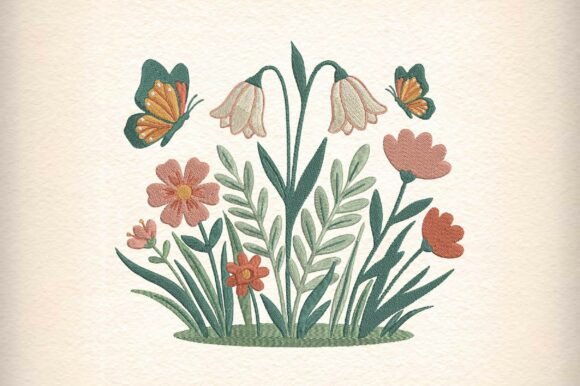
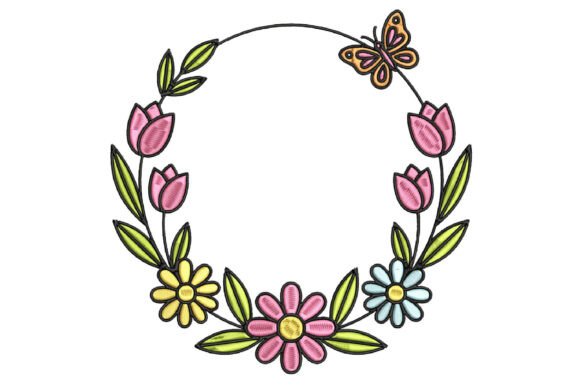
As an embroidery designer who’s stitched over 300 custom orders—from bridal handkerchiefs to boutique apron collections—I opened the Flower Wreath Embroidery Design with quiet anticipation. Not hype, not urgency—just curiosity. What I found was a design that breathes: balanced, unhurried, and deeply intentional. It’s not a bold statement piece—it’s a whispered invitation. The circular floral wreath feels organic, not rigid; the blooms vary subtly in scale and orientation, avoiding robotic repetition. There’s gentle layering in the petals, soft transitions between satin stitch and fill stitch areas, and just enough negative space to let fabric show through. This isn’t just a machine embroidery design—it’s a mood-setter for handmade product storytelling.
Where This Design Naturally Lives (and Thrives)
The Flower Wreath Embroidery Design doesn’t shout for attention—it earns it. I tested it first on a linen kitchen towel, then a cotton-blend baby blanket, and finally a structured twill cap. Each time, it anchored the item without overwhelming it. It’s ideal for projects where elegance meets everyday utility: embroidered pillow covers for nursery decor, minimalist tote bag designs for small-batch shops, or sweatshirt embroidery that reads as thoughtful—not trendy. Because it’s rooted in the Floral Garden category, it pairs effortlessly with botanical prints, neutral palettes, and natural fibers. For Etsy sellers, it’s a quiet upgrade to “personalized gift” listings—imagine it centered on a muslin drawstring bag holding artisan soap, or stitched onto the chest of a reversible apron sold at craft fairs.
Real-World Performance: What Holds Up (and What Needs Care)
In actual stitching, the Flower Wreath Embroidery Design performs cleanly across varied substrates—but only when you honor its texture. On stretchy fabric like lightweight sweatshirts, I used medium-weight cutaway stabilizer and reduced top tension slightly to preserve petal definition. On dark fabric, I confirmed thread color contrast early: pale pinks and ivories read beautifully, but subtle yellows disappeared unless paired with a white underlay. For caps, I resized it to fit a 4" hoop and avoided the curved crown seam—opting instead for the front panel where the wreath’s symmetry stayed true. Tiny centers on some flowers are delicate; they held up fine on stable fabrics but blurred slightly on loosely woven tea towels without additional tear-away backing. No dense stitch traps or thread breaks occurred, but I always test on scrap fabric first—especially before committing to a client’s heirloom baby blanket.
Practical Notes for Commercial Embroidery Use
- Hoop size matters: Check the product details on Creative Fabrica—this design likely fits standard 4x4 or 5x7 hoops, but verify before digitizing for multi-position runs.
- Stitch density is moderate—not overly heavy, which helps with wash durability on baby items and kitchen towels.
- No lettering included, so it’s flexible for branding: add your shop name discreetly beneath the wreath or leave it pure and serene.
- It works well as an embroidered patch when stitched on twill and heat-applied—just confirm the file includes clean jump stitches for efficient trimming.
- For printable mockups, the circular shape photographs beautifully on flat-lay product shots—enhancing perceived value and handmade presentation.
How It Elevates Your Handmade Product—and Your Customer’s Experience
This isn’t just about pretty stitches. The Flower Wreath Embroidery Design quietly lifts perceived quality. Customers notice the balance—the way no single bloom dominates, how stems curve naturally, how light seems to fall across the petals. That nuance builds trust. When someone sees this on your Etsy listing or boutique shelf, they don’t just see embroidery—they see intention, care, and aesthetic consistency. For creative entrepreneurs, that translates to stronger brand recognition and repeat buyers. I’ve watched customers tag friends in comments like *“This wreath makes me want to slow down and smell the roses”—*proof that emotional resonance sells. And because it’s versatile across seasons (think spring launches, wedding showers, Mother’s Day bundles), it becomes a reliable design asset—not a one-off trend.
Before You Stitch: Five Must-Do Checks
- Review the digital embroidery file format compatibility with your machine—Creative Fabrica typically offers PES, DST, EXP, JEF, and VP3, but always double-check.
- Confirm licensing terms on the product page—especially if using for commercial embroidery or resale of finished products.
- Compare light and dark fabric mockups digitally before stitching; subtle tonal shifts affect final impact more than expected.
- Inspect small details post-stitch: petal tips, inner stamens, and outer leaf edges should be crisp—not frayed or flattened—especially after washing tests.
- Match stabilizer weight to your fabric: lightweight cutaway for knits, tear-away for stable wovens, and fusible + tear-away for layered applique variations.
Final Thought: A Timeless Anchor in Your Design Assets
The Flower Wreath Embroidery Design won’t replace your go-to monogram or bold logo—but it might become the gentle signature your brand has been missing. It’s the kind of Creative Fabrica embroidery purchase that pays off across categories: baby items gain tenderness, apparel gains sophistication, and handmade gifts gain quiet meaning. As a working designer, I value versatility without compromise—and this design delivers. It’s not flashy. It’s not complicated. But stitched thoughtfully, on the right fabric, with the right thread colors, it transforms ordinary into heirloom. If your work leans into softness, nature, and authenticity, this wreath belongs in your collection—not as decoration, but as quiet confidence in every finished product.