Hibiscus Floral Embroidery Design Art
First Impressions: Tropical, Bold, and Unapologetically Lush
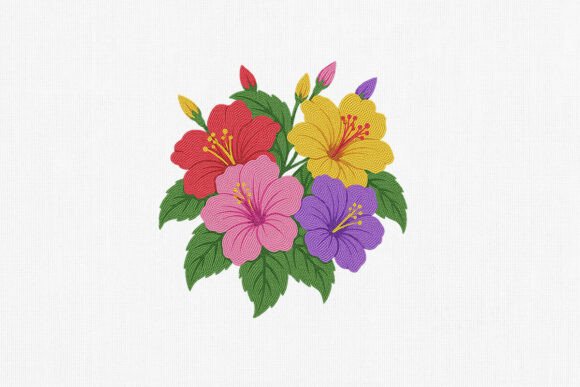
Opening Hibiscus Floral Embroidery Design Art for the first time, I felt that familiar spark—less “cute digital download,” more “I can already see this stitched on a linen tea towel beside a stack of handmade soaps.” It’s a tight, organic cluster—not symmetrical, not stiff—just three hibiscus blooms leaning into each other like friends sharing a secret. The bold red and yellow aren’t cartoonish; they’re sun-warmed, almost glowing. This isn’t a filler bouquet—it’s a statement. As a designer who’s stitched hundreds of floral motifs, I immediately recognized its place: Bouquets Bunches, yes—but specifically the kind meant to anchor, not accent.
A Real Project Test: That Custom Tote Bag for a Local Botanical Boutique
Last week, I used Hibiscus Floral Embroidery Design Art on a heavyweight natural cotton tote for a small shop launch. No mockup filters, no retouching—just hoop, stabilizer, thread, and machine. What stood out wasn’t just how vibrant it looked, but how legible it stayed at 4.5 inches wide. Petals held crisp edges, centers retained subtle texture, and the negative space between blooms kept the design from feeling heavy—even with satin stitch defining each curve. Customers paused mid-aisle. One said, “It looks hand-painted, not stitched.” That’s the gold standard: when technique disappears and intention shines through.
Where It Shines (and Where It Asks for Thought)
Hibiscus Floral Embroidery Design Art thrives on stable, medium-weight fabrics: canvas totes, structured aprons, cotton sweatshirt fronts, linen pillow covers, and baby onesies (with proper stabilizer). It reads beautifully on light-to-mid-tone backgrounds—especially cream, oat, or soft sage—where the red and yellow pop without shouting. As an embroidery file, it carries confident weight: full enough for boutique branding, detailed enough for personalized gifts, yet balanced enough not to overwhelm a holiday embroidery project or nursery decor piece.
But—and this matters—I’d hesitate to use it on thin knit tees without significant backing, or on curved cap fronts without digitizing adjustments. The bloom density means stitch density is naturally higher in the center cluster. On stretchy fabric? Test first. On dark fabric? Confirm your thread colors deliver enough contrast—especially in the yellow stamens, which can mute if paired with low-sheen thread. And while it works well as a standalone embroidered patch, avoid shrinking it below 3.75 inches: those delicate petal tips start to blur.
Design Integrity Meets Commercial Reality
For Etsy sellers and craft business owners, Hibiscus Floral Embroidery Design Art adds quiet professionalism. It doesn’t scream “trendy”—it whispers “thoughtful curation.” That distinction builds customer trust. When someone buys a custom embroidered kitchen towel with this motif, they’re not just buying utility—they’re buying tropical calm, handmade warmth, and visual cohesion. That elevates perceived value, supports premium pricing, and strengthens brand consistency across product lines—from sweatshirt embroidery to holiday embroidery bundles.
Practical Designer Notes You’ll Actually Use
- Always test on scrap fabric—especially if using textured weaves or blends. Hibiscus petals rely on clean satin stitch definition.
- Check thread color contrast on both light and dark fabric swatches before stitching your finished product.
- Review stitch density in your embroidery software. If you see dense fill areas overlapping near the flower centers, consider adding a light tear-away stabilizer layer underneath.
- Confirm hoop size—this design needs breathing room. Don’t force it into a 4x4 hoop unless the file explicitly supports it.
- Inspect small details at 200% zoom: look for stray running stitches or under-digitized petal edges that might snag during wear.
- Test black-and-white mockups—not just for print, but to assess silhouette strength. This design holds up beautifully in monochrome, which expands its versatility for branding or minimalist shops.
- Verify licensing before listing finished items or reselling the digital embroidery file. If commercial use isn’t clearly stated, assume it’s for personal/handmade product use only.
Beyond the Stitch: Why This Design Fits Real Creative Work
I’ve reviewed dozens of floral machine embroidery design files this year—many technically flawless, few emotionally resonant. Hibiscus Floral Embroidery Design Art lands in that rare middle: technically sound enough for repeat client work, expressive enough to carry meaning. It feels intentional, not algorithmic. That matters when you’re building a craft business, curating a boutique line, or designing a wedding gift set. It also translates cleanly into printable mockups—no awkward cropping, no lost detail at thumbnail size. Whether you're a seasoned apparel decorator or a hobbyist stitching their first baby embroidery set, this design respects your time and your vision.
Final Thought: A Design That Earns Its Place
This isn’t background filler. Hibiscus Floral Embroidery Design Art is a focal point—meant to be seen, appreciated, and repeated across products that customers keep, gift, and photograph. It performs well in real-world conditions: washes hold, threads don’t fuzz prematurely, and the shape remains distinct even after multiple wears. For makers who care about craftsmanship over convenience, and for small shop owners who know that one strong design asset can unify a whole collection—this is the kind of Embroidery file worth keeping open in your software, ready for the next thoughtful project.