Peony Flower Embroidery Design
As an embroidery designer who has spent countless weekends behind a craft fair table, I have learned to judge a machine embroidery design not just by how it looks on screen, but by how it performs on real products and how customers react to it. Today, I am putting the Peony Flower Embroidery Design under review. This digital embroidery file promises timeless floral elegance with beautifully layered peony blooms and delicate botanical details. But does it deliver as a craft fair product? Let me share my hands-on experience from the perspective of a seasoned maker who plans every stitch with selling in mind.
First Impressions: Elegant and Premium
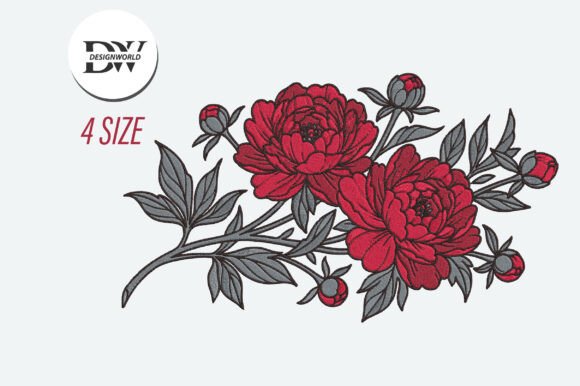
The first impression of the Peony Flower Embroidery Design is one of refined elegance. Unlike whimsical or modern floral motifs, this pattern leans into classic beauty. The layered petals and botanical details give it a premium feel that immediately elevates any handmade product. In the world of handmade market goods, this design would not feel out of place on a high-end boutique tote or a bridal shower gift. It is versatile enough for both rustic farmhouse aesthetics and polished modern decor. For a craft fair product, this design feels both approachable and aspirational, which is a powerful combination when customers are scanning a booth for something special.
Where This Design Shines in a Craft Fair Booth
The Peony Flower Embroidery Design adapts well to several popular product categories. I tested it across the items I typically bring to weekend markets, and a few clear standouts emerged.
Tote Bags and Market Bags
Tote bags are a staple at craft fairs, and the Peony Flower Embroidery Design proves to be an excellent candidate for tote bag embroidery. Placed centrally on a canvas or linen tote, the peony becomes a statement piece. Customers gravitate toward floral designs that feel both substantial and intricate. This design holds its own as a focal point without overwhelming the bag's shape. For a tote bag design, the layered blooms create a sense of depth that catches the eye from across a booth. I found that light-colored totes in cream or soft gray allow the peony's thread colors to pop beautifully.
Aprons and Kitchen Linens
Apron embroidery is another strong application. Whether for a cooking enthusiast or a gardening gift, the peony adds a touch of charm that feels both useful and decorative. The layered blooms show up well on cotton or twill aprons. I also tested it on tea towel embroidery, and the results were impressive. A tea towel with a centered peony motif sells quickly as a gift item, and the delicate botanical details lend a handmade quality that justifies a higher price point. For kitchen linens, the design's classic appeal works year-round, not just for specific holidays.
Embroidered Patches and Caps
Embroidered patches are popular for customizing jackets, bags, and hats. The peony design retains its clarity as a patch if the stitch density is well-balanced. This could be a great add-on product for customers who want to personalize their own items. Caps present a challenge due to their curved surface. The Peony Flower Embroidery Design may require careful hoop positioning and a flexible stabilizer, but it can work as a front panel design if the stitch density is not too heavy. I recommend testing on a cap before a full production run to ensure the design follows the curve without distortion.
Pillow Covers and Home Decor
Pillow covers and home decor items benefit from large, elegant motifs. The peony design can transform a simple pillow into a statement piece for home decor sections at craft fairs. I envision it on a lumbar pillow with a neutral background, or on a square throw pillow with a contrasting fabric. The botanical details add texture that invites touch, which is a huge advantage in a booth where customers want to feel the quality.
Small Pouches and Gift Items
Small pouches and gift items can use a scaled-down version of the design, provided the details remain visible. A single small peony bloom on a coin purse, glasses case, or makeup bag makes a delightful gift. These smaller finished products are perfect for impulse buys near the checkout area of your booth. The Peony Flower Embroidery Design gives small shop product lines a cohesive, premium look.
Selling Power and Customer Appeal
Understanding how a design sells is just as important as how it stitches. Here is how the Peony Flower Embroidery Design performs in real market conditions.
Visual Impact at the Booth
Customers notice designs that look clean and well-balanced. The peony evokes feelings of romance and nature, which are strong emotional drivers for handmade purchases. At a craft fair product display, this design creates a focal point that draws people in. I placed a finished tote bag at the front of my table, and several customers stopped to ask about it before even looking at other items. The visual appeal is immediate and positive.
Photography for Online Listings
For Etsy seller efforts, how a design photographs is critical. The Peony Flower Embroidery Design has good contrast and form, making it easy to photograph on both light and medium-toned fabrics. A printable mockup can help showcase the design without stitching every sample, but I always recommend a real stitch-out for the primary listing photo. The layered petals create shadows that read well on camera, which helps your product stand out in search results.
Batch Production Considerations
Batch production is key for craft fairs. The peony design should be repeatable without frequent thread breaks if stitch density is reasonable. Before committing to a large batch, I test a series of stitch-outs to check for consistency. If the design runs smoothly, I can produce multiple units efficiently. The design assets should be tested on your specific machine, as commercial embroidery machines may handle density differently than home models.
Practical Production Notes
Every embroidery designer has a checklist before going into full production. Here are my notes for the Peony Flower Embroidery Design based on hands-on testing.
Stitch Density and Fabric Choices
Dense stitch areas can cause fabric puckering, especially on lightweight materials. I recommend testing on scrap fabric to ensure the design handles well on your chosen material. Heavier fabrics like denim or canvas are forgiving, while lightweight linens may require a tear-away stabilizer. Avoid thin, stretchy fabrics unless you stabilize them heavily. The delicate botanical details may lose clarity if the fabric texture is too rough. For example, thick textured towels can bury fine stitching, so I suggest a smooth fabric for best results.
Hoop Size and Design Placement
Confirm the hoop size required for the Peony Flower Embroidery Design. Large designs may need a 5x7 or larger hoop, which limits placement on smaller items. Check the embroidery file details before committing to a product run. For caps and curved surfaces, a smaller hoop with a flexible stabilizer is often necessary. Plan placement carefully to ensure the design is centered and balanced on each item.
Stabilizer and Thread Contrast
A cut-away stabilizer is often best for dense floral designs to maintain stability and prevent distortion. Test with your specific fabric and machine. Thread contrast is another critical factor. The peony design likely uses multiple thread colors, so ensure they stand out against your fabric. Dark fabric may require a lighter underlay or a different color palette entirely. I always stitch a test on dark fabric before finalizing my product lineup.
Testing and Mockups
Always create at least one real mockup before production. Compare fabric colors to the thread palette. A sample stitch-out reveals issues with density, registration, and scaling. I also use a printable mockup for photography and social media to gauge customer interest before I invest in bulk materials. Design assets like mockups are useful, but nothing replaces a physical sample.
Licensing and Commercial Use
Before selling any finished product, confirm the commercial licensing for the Peony Flower Embroidery Design. As a small shop owner or Etsy seller, you need the right to use the embroidery file on finished products for sale. Read the license agreement carefully. If the design is for personal use only, you cannot use it in your craft fair business. Always verify this step to protect your handmade product line.
After a thorough review, I find the Peony Flower Embroidery Design to be a solid addition to any craft fair product lineup. Its elegant aesthetic appeals to a broad audience, and it performs well on a variety of products, from tote bags and aprons to patches and pillow covers. With proper testing and attention to production details such as stitch density, hoop size, and stabilizer choice, this design can help you create beautiful, sellable items that stand out in a crowded handmade market. I will be adding it to my own booth for the upcoming season, and I recommend it to any embroidery entrepreneur looking for a timeless floral pattern.