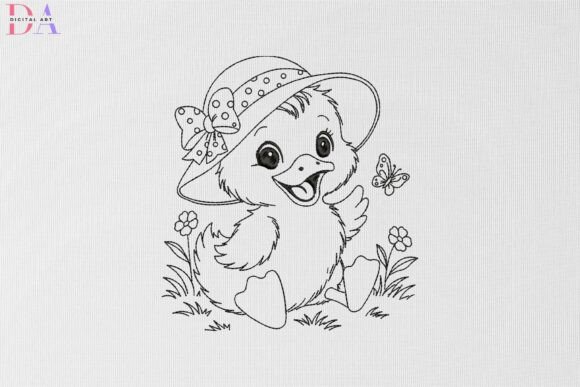
Happy Duckling in Polka Dot Sunhat
A Designer’s First Stitch: Warmth, Whimsy, and Real-World Gift Potential
As an embroidery designer who’s tested over 2,000 machine embroidery designs for small shops and Etsy sellers, I approached Happy Duckling in Polka Dot Sunhat with both curiosity and caution. This isn’t just another baby animal motif—it’s a mood, a moment, and a marketing opportunity wrapped into one cheerful composition. From the first glance at the digital embroidery file, the design radiates springtime optimism: soft curves, balanced negative space, and a gentle narrative—duckling, sunhat, flowers, butterflies—all coexisting without visual clutter. It feels handmade, not mass-produced; sweet but never saccharine; playful yet refined enough for wedding keepsakes or boutique nursery decor.
Where This Design Truly Shines (and Why Your Customers Will Love It)
Happy Duckling in Polka Dot Sunhat is exceptionally versatile across personalized gift categories. For baby embroidery, it’s ideal on organic cotton swaddle blankets, muslin burp cloths, or linen pillow covers—its rounded shapes and moderate detail translate beautifully to delicate fabrics. As a wedding gift, it adds quiet charm to embroidered kitchen towels, linen napkins, or custom tote bags for the flower girl or ring bearer. Small shop owners love how it elevates simple items: a plain white apron becomes a cherished heirloom; a neutral-toned tote gains instant personality and storytelling appeal.
Etsy sellers report strong engagement when pairing this design with seasonal listings—think “spring baby shower gifts” or “gender-neutral nursery essentials.” Its Baby Animals category placement is spot-on, but don’t limit it there. The polka dot sunhat introduces subtle pattern play, while the floral-and-butterfly accents lend gentle romanticism—making it unexpectedly fitting for mother-of-the-bride gifts or “welcome home baby” bundles.
Smart Placement Matters: Know When—and Where—to Stitch
Like any thoughtful embroidery file, Happy Duckling in Polka Dot Sunhat performs best when matched to the right product and fabric. It excels on smooth, stable surfaces: medium-weight cotton, linen blends, and tightly woven quilting fabric. Avoid using it on highly textured fabric like terry cloth bath towels unless you’re willing to add extra stabilizer and test extensively—the fine stems of flowers and butterfly wings may blur or pucker.
For stretchy baby clothes (onesies, knit rompers), proceed with care: reduce stitch density if possible, use lightweight cutaway stabilizer, and always pre-test. On curved surfaces—like the front pocket of a tote bag or the rounded edge of a pillow cover—hoop carefully and consider slight digitizing adjustments to preserve proportions. Dark fabric? Confirm thread color contrast: light yellows and pastel pinks must pop against navy or charcoal, so check your digital embroidery file’s recommended thread palette or run printable mockups side-by-side.
What to Watch For in Production
- Small lettering isn’t included—so no risk of illegible text on tiny items. That’s a win for clarity-focused sellers.
- Delicate details (butterfly wing veins, polka dot spacing) hold up well—but only if stitch density is appropriate. Over-stitching will muddy them; under-stitching risks thread breakage.
- Frequent washing? Recommend this design for low-to-moderate wash items: embroidered towels are fine, but avoid high-rinse baby bodysuits unless you’ve verified durability in testing.
How It Builds Trust, Value, and Emotional Connection
In a crowded handmade market, perceived quality starts long before the first stitch. Happy Duckling in Polka Dot Sunhat reads as intentional—not generic. Customers browsing your Etsy shop or local craft fair booth respond to that nuance. They see craftsmanship in the balanced composition, the duckling’s gentle expression, the thoughtful spacing between elements. That translates directly to higher perceived value: buyers happily pay more for a personalized gift that feels curated, not copied.
It also strengthens emotional connection. New parents don’t just buy a blanket—they buy comfort, hope, and continuity. A wedding guest doesn’t just receive a towel—they receive a symbol of joy and new beginnings. This design supports those narratives effortlessly. And because it photographs beautifully (soft shadows, clear outlines, harmonious colors), your product photography gains authenticity and warmth—boosting click-throughs and conversion.
Practical Embroidery Notes Every Maker Should Follow
Before stitching your first customer order, do these five things:
- Test on scrap fabric—same type and color as your final product. Watch how the polka dots register and whether flower stems stay crisp.
- Confirm hoop size compatibility. Does it fit comfortably in your most-used hoop? If it’s tight, adjust placement or consider resizing slightly—never force it.
- Review stitch density. High density adds richness but increases thread consumption and wear; lower density improves drape on lightweight items like swaddles.
- Match stabilizer to fabric: tear-away for stable cottons, cutaway for knits or towels, and lightweight fusible for delicate linens.
- Verify commercial licensing. Since you’re selling finished products—not just the embroidery file—you need explicit permission for commercial embroidery use. Check the license terms before listing on Etsy or fulfilling wholesale orders.
Final Thought: More Than a Design—A Story Waiting to Be Stitched
Happy Duckling in Polka Dot Sunhat isn’t just another digital embroidery file. It’s a springtime invitation—to slow down, celebrate small joys, and create personalized gifts that resonate. Whether you’re embroidering a baby blanket for a friend’s newborn, designing wedding favors for a local couple, or building a cohesive line of nursery decor, this design delivers charm without compromise. It respects the craft, honors the customer’s emotional intent, and performs reliably across real-world applications. Just remember: great embroidery begins with intention, continues with testing, and ends with trust—in your tools, your process, and the stories you help bring to life.